
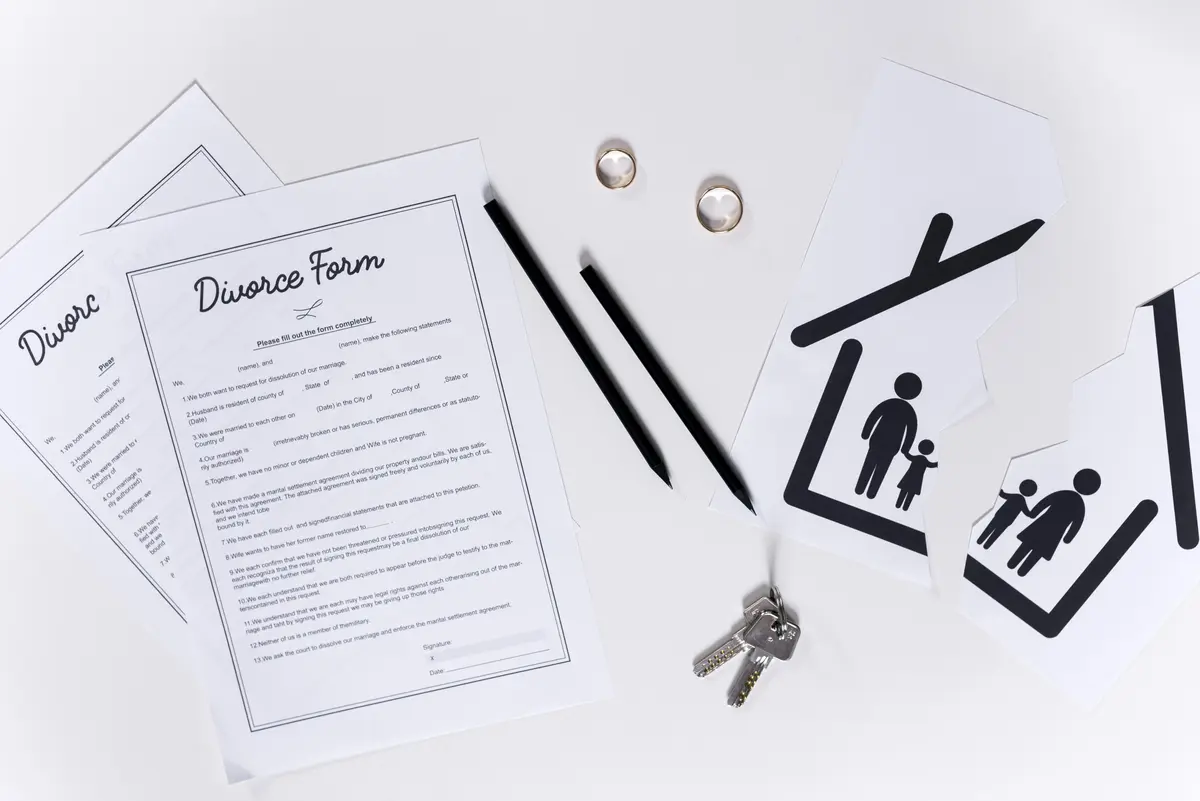
When relationships change, life rarely follows a neat script. One day you’re discussing school pickups or mortgage repayments, and the next you’re trying to work out parenting arrangements, finances, and what comes next. It can feel overwhelming, but it doesn’t always have to end in a courtroom. That’s where Family Dispute Resolution can make a genuine difference.
For many Sunshine Coast families, Family Dispute Resolution provides a practical and less stressful way to resolve disagreements before they become expensive legal battles. Whether you’re discussing parenting arrangements, property division, or communication after separation, mediation encourages respectful conversations guided by an independent professional. If separation has already become inevitable, speaking with Experienced Divorce Lawyers early can help you understand your legal position while still keeping resolution as the primary goal.
Rather than focusing on “winning,” the family dispute resolution process focuses on finding workable solutions that protect children, reduce conflict, and give everyone greater certainty moving forward. Across Queensland, including the Sunshine Coast, this approach is encouraged because families generally benefit when they reach their own agreements instead of having decisions imposed by a judge.
What Is Family Dispute Resolution?
At its core, Family Dispute Resolution is a structured mediation process where separating couples work with an accredited Family Dispute Resolution Practitioner to resolve disputes without immediately going to court. It is one of the most important parts of Australian family law because it encourages cooperation while reducing emotional and financial strain.
Unlike traditional negotiations where emotions can quickly take over, the mediator remains neutral. They don’t make decisions or choose sides. Instead, they help both people communicate effectively, identify common ground, and explore realistic options.
Many people confuse family mediation Sunshine Coast services with legal representation, but they serve different purposes. Your lawyer provides legal advice and protects your interests, while the mediator facilitates productive discussions. Together, they often create a much stronger path toward resolution.
Why Is Family Dispute Resolution Usually Required Before Court?
Australian family law generally expects separated parents to attempt Family Dispute Resolution before court proceedings relating to parenting matters. This requirement exists because courts recognise that children usually benefit when parents reach agreements themselves.
In most parenting disputes, participants attend mediation before filing an application in the Federal Circuit and Family Court of Australia. If genuine efforts are made but no agreement is reached, the practitioner may issue an FDR Certificate Australia, which demonstrates that mediation has been attempted.
There are exceptions. Cases involving serious family violence, child abuse, urgent safety concerns, or other exceptional circumstances may proceed directly to court. However, for many families across Queensland, mediation remains the preferred starting point.
For current legal requirements and official guidance, refer to the Australian Government’s Family Dispute Resolution information , which explains how the process operates under Australian family law.
When Should You Consider Family Dispute Resolution?
Many people assume mediation only begins after legal proceedings have started. In reality, earlier is usually better. Addressing disagreements while communication is still possible often leads to faster and more practical outcomes.
You may benefit from Family Dispute Resolution if you’re dealing with:
- Parenting schedules after separation.
- Holiday arrangements and special occasions.
- Child communication and schooling decisions.
- Financial responsibilities.
- Property settlement discussions.
- Ongoing co-parenting disagreements.
Starting the conversation early often prevents relatively small disagreements from becoming larger legal disputes.
What Actually Happens During the Family Dispute Resolution Process?
For many people, the unknown is often the most intimidating part. Fortunately, the family dispute resolution process is much more structured than many expect. Every practitioner has their own style, but most sessions follow a similar framework.
The process usually includes:
- Initial intake meetings with each participant separately.
- Assessment of whether mediation is suitable.
- Preparation before the joint session.
- Guided discussions with the mediator.
- Negotiation of practical solutions.
- Recording agreements where appropriate.
The atmosphere is generally calm, respectful, and confidential. Rather than arguing across a courtroom, participants have an opportunity to explain their concerns while the mediator keeps discussions focused and productive.
Preparing for Family Dispute Resolution
Walking into mediation without preparation is a bit like showing up for a camping trip without checking the weather—you’ll probably still survive, but it won’t be nearly as comfortable.
Preparing for Family Dispute Resolution helps you stay focused on outcomes rather than emotions. Before attending, consider:
- Your biggest priorities.
- Areas where you’re willing to compromise.
- Important financial documents.
- Parenting schedules or school information.
- Questions you want answered.
Many people also find it valuable to obtain legal advice beforehand. Receiving Parenting Arrangements Legal Advice can help you understand your legal rights while entering mediation with realistic expectations and greater confidence.
Good preparation doesn’t mean planning arguments. It means arriving ready to have constructive conversations that move everyone closer to workable solutions.
Parenting Disputes: Keeping Children at the Centre
One of the most common reasons families use Family Dispute Resolution is to resolve parenting disagreements. Whether you’re deciding where children will live, how holidays will be shared, or how major decisions will be made, mediation encourages both parents to focus on what’s genuinely in their children’s best interests.
Successful parenting dispute mediation isn’t about proving who’s the better parent. Instead, it’s about creating stable, practical arrangements that support children’s emotional wellbeing while recognising the realities of everyday life. Many families discover that mediation for separated parents improves communication long after the initial agreement is reached because it establishes healthier ways to discuss future issues.
Rather than revisiting past relationship conflicts, the conversation shifts towards the future. That simple change in perspective often transforms difficult discussions into productive planning sessions, helping parents move forward with greater confidence and less conflict.
How Property Matters Can Also Be Resolved Through Family Dispute Resolution
While parenting discussions often receive the most attention, Family Dispute Resolution can also play a significant role when separating couples need to divide their assets. Property settlements can quickly become emotionally charged because they involve homes, savings, superannuation, businesses, investments, and debts accumulated over many years. Mediation provides a structured environment where these issues can be discussed constructively rather than through lengthy court proceedings.
The goal isn’t simply to split assets down the middle. Instead, the family law dispute resolution process considers each person’s circumstances, future needs, financial contributions, and non-financial contributions to reach an outcome that is fair under Australian family law. Many Sunshine Coast families are surprised to discover that productive conversations during mediation can save significant time, legal costs, and emotional stress.
If your separation involves financial matters, obtaining advice from Property Settlement Lawyers Sunshine Coast before or during mediation can help you understand your legal entitlements while still encouraging practical negotiations. Professional legal advice ensures any agreement reached during Family Dispute Resolution reflects both your immediate and long-term interests.
What Happens If an Agreement Is Reached?
One of the biggest misconceptions about Family Dispute Resolution is that agreements made during mediation are informal and difficult to enforce. In reality, successful mediation often becomes the foundation for legally recognised arrangements.
If both parties reach agreement, the outcome may be documented in several ways depending on the circumstances. Parenting arrangements may initially be recorded in a parenting plan, while property agreements may later be formalised through Consent Orders or a Binding Financial Agreement after receiving independent legal advice.
This is where experienced legal guidance becomes particularly valuable. Your lawyer can ensure any agreement reflects Australian family law requirements and accurately records what has been negotiated during mediation. A carefully prepared agreement reduces misunderstandings and provides greater certainty for everyone involved.
If you’d like to understand how mediation works specifically for financial matters, our Property Settlement Mediation Guide explains the process in greater detail and outlines what separating couples can expect.
What If Family Dispute Resolution Doesn’t Resolve Everything?
Although Family Dispute Resolution successfully resolves many family law disputes, not every matter reaches complete agreement. That doesn’t mean mediation has failed.
Sometimes the process narrows the issues, helping families resolve several matters while identifying only a few remaining points of disagreement. This still saves considerable time if court proceedings eventually become necessary because the unresolved issues are much clearer.
Where parenting matters remain unresolved after genuine participation, the mediator may issue an FDR Certificate Australia. This certificate is often required before commencing parenting proceedings in the Federal Circuit and Family Court of Australia, unless an exemption applies. The certificate demonstrates that family dispute resolution before court has been attempted in accordance with Australian family law requirements.
Even if litigation becomes necessary, the discussions held during Family Dispute Resolution often improve communication and make future negotiations more productive.
Why Sunshine Coast Families Choose Family Dispute Resolution
Across the region, more separating couples are choosing Family Dispute Resolution because it offers a balanced approach to resolving family law issues without immediately resorting to litigation. While every family’s circumstances are different, mediation consistently offers practical advantages that help reduce conflict and maintain respectful communication.
Some of the key benefits include:
- Lower legal costs than lengthy court proceedings.
- Faster outcomes in many cases.
- Greater privacy and confidentiality.
- Flexible solutions tailored to individual families.
- Better communication between separated parents.
- Reduced stress for children.
- More control over the final outcome.
These benefits explain why family dispute resolution services Sunshine Coast continue to play such an important role in helping families move forward with confidence. When both parties participate in good faith, mediation often creates solutions that are more practical and sustainable than orders imposed by a court.
Choosing the Right Family Dispute Resolution Lawyer in Sunshine Coast
Not every separation follows the same path, and that’s why choosing the right legal team matters. While mediators remain neutral, your lawyer’s role is to protect your interests, explain your legal rights, and help you prepare thoroughly before mediation begins.
A knowledgeable family dispute resolution lawyer Sunshine Coast understands both the legal framework and the emotional challenges families experience during separation. They can explain the family dispute resolution requirements, review proposed agreements, and help you approach mediation with realistic expectations rather than unnecessary conflict.
The best outcomes usually occur when legal advice and mediation work together. Instead of viewing them as opposing options, think of them as two complementary tools designed to help your family reach informed, workable decisions.
Conclusion
Separation is rarely easy, but it doesn’t have to become a drawn-out legal battle. Family Dispute Resolution gives Sunshine Coast families an opportunity to resolve parenting and property issues through respectful communication, practical negotiation, and informed decision-making. By understanding how the process works, preparing thoroughly, and seeking appropriate legal advice, you place yourself in the strongest position to achieve lasting outcomes that support both your future and your family’s wellbeing.
If you’re considering Family Dispute Resolution or need personalised advice about your family law matter, the experienced team at Clear Path Lawyers is here to help. Book a Confidential Family Law Consultation today and receive practical guidance tailored to your circumstances, helping you move forward with confidence and clarity.
Frequently Asked Questions
Is Family Dispute Resolution compulsory in Australia?
In many parenting matters, Family Dispute Resolution is generally required before applying to the Family Court. However, exceptions exist for situations involving family violence, child abuse, urgency, or other circumstances recognised under Australian family law. A legal professional can advise whether your situation qualifies for an exemption.
How long does Family Dispute Resolution usually take?
The length of Family Dispute Resolution depends on the complexity of the issues and each party’s willingness to negotiate. Some matters are resolved during a single session, while others require multiple meetings. The objective is not speed alone but reaching practical, sustainable agreements that genuinely work for everyone involved.
Do I need a lawyer before attending Family Dispute Resolution?
While it isn’t always mandatory, obtaining legal advice before Family Dispute Resolution is strongly recommended. A lawyer can explain your rights, help you prepare effectively, review proposed agreements, and ensure you understand the legal implications of any decisions made during mediation.
Can Family Dispute Resolution help with both parenting and property matters?
Yes. Family Dispute Resolution is commonly used to resolve parenting arrangements as well as financial and property disputes. Many separating couples successfully address both issues through mediation, reducing the need for lengthy court proceedings while maintaining greater control over the outcome.
What happens if the other person refuses to participate?
If one party refuses to attend Family Dispute Resolution or mediation is otherwise unsuccessful, the Family Dispute Resolution Practitioner may issue an FDR Certificate Australia, depending on the circumstances. This certificate may allow court proceedings relating to parenting matters to commence where appropriate under Australian law.